I’m 105 — The Advice I Give Everyone Who Asks How I Got Here


Ruth was born in February 1920 and has lived through the Great Depression, a world war and almost 60 years of marriage. At 105, she still walks to her community center most days.
People always want to know her secret. When a street interviewer in New York asked, she shrugged off the idea of any magic formula, but she had plenty of advice about how to live.
Ruth is not her real name, but her words come from that widely shared interview. Here is what a 105-year-old tells everyone who asks how she got here, and what research says about each piece.
Who Ruth Is and Why Her Advice Matters
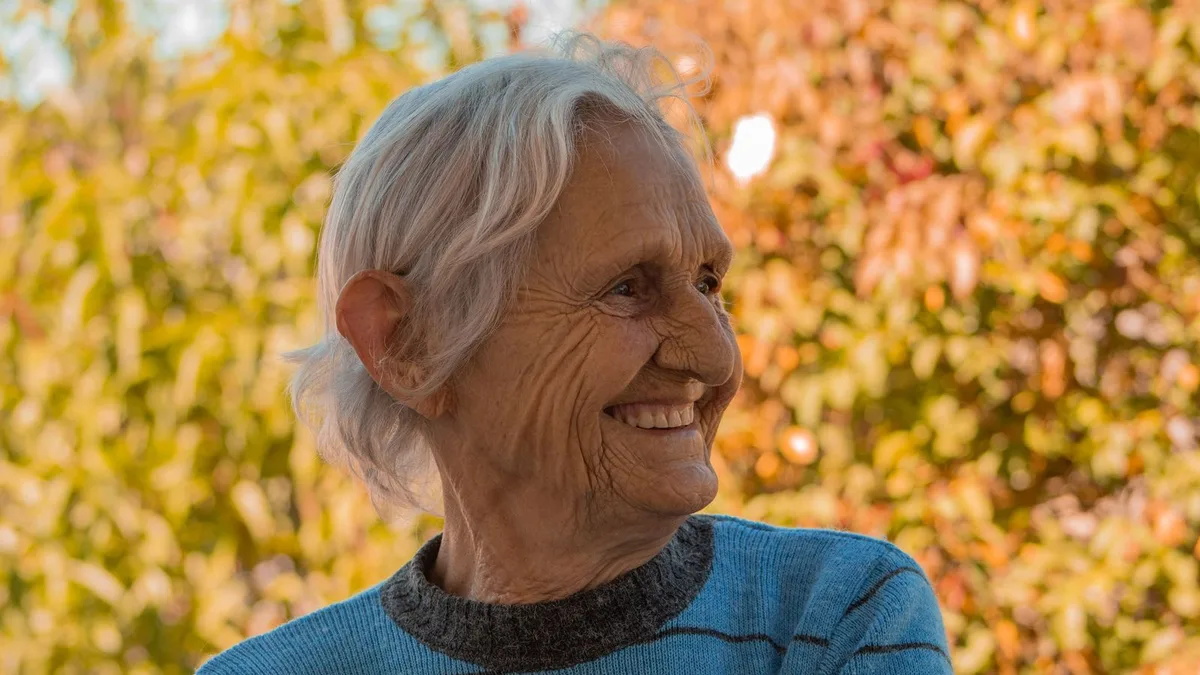
Living past 100 is still rare. Pew Research Center estimated that about 101,000 Americans were 100 or older in 2024, roughly 0.03% of the population, and that number is projected to reach about 422,000 by 2054.
Women make up about 78% of today’s centenarians, so Ruth is part of a small but growing group. Most of her advice isn’t about diets or supplements. It’s about how to treat people, what to worry about, and when to take a chance.
Her perspective comes from more than a century of ups and downs. That makes her simple advice worth a closer look.
1. Treat People the Way You Want to Be Treated

When asked how to make life better, Ruth didn’t hesitate. “Treat people the way you want people to treat you,” she said, calling it the only advice she really needed.
She added that you don’t have to love everyone, but you shouldn’t give anyone a reason to hate you. That simple rule shaped how she handled neighbors, family and strangers for more than a century.
It sounds old-fashioned, but it lines up with what researchers keep finding. Strong, friendly relationships are linked to better health and lower stress as people age.
2. Don’t Rush the Biggest Decisions of Your Life
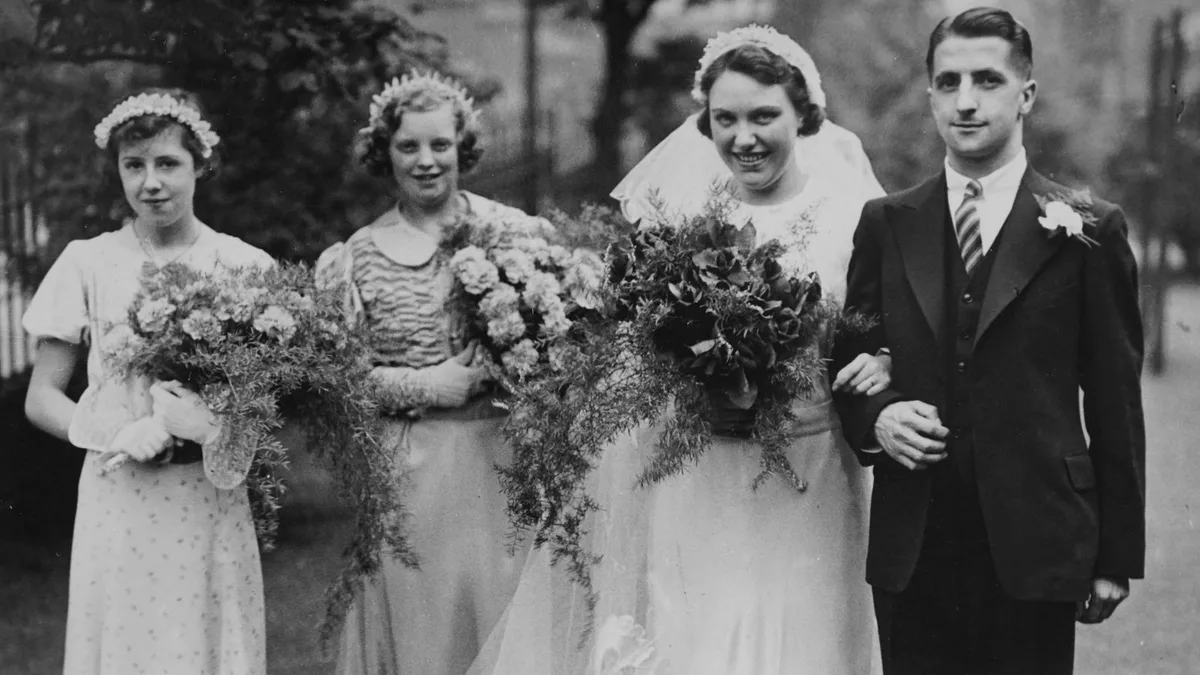
Ruth married at 19 and had her first child at 20. Looking back, she said that if she could talk to her 25-year-old self, she would tell her not to marry so young, because she never got to do some of the things she wanted.
She wasn’t saying her marriage was a mistake. It lasted almost 60 years, until her husband died of a heart attack at 80, and she called it a good marriage.
Her point was about timing. Big choices, like marriage, a home or a career, are easier to enjoy when you’ve had time to learn what you want first.
3. If You Don’t Like Your Life, Change It While You Can

Ruth once dreamed of being a singer and used to sing around the house. That dream never went anywhere, and she says she has no regrets, but she has strong advice for people who are unhappy now.
To someone stuck in a job they don’t like at 45 or 55, she said they still have their whole life ahead of them. “Try to do something that you like more,” she said, because change is easier when you’re younger.
Her test was simple: how much do you want it? She also had one condition. She said to take risks only when it’s safe, and not to gamble with things you can’t afford to lose.
| Ruth’s Advice | What Research Suggests | A Practical Step |
|---|---|---|
| Treat people kindly | Strong relationships are linked to better health | Reach out to one person each week |
| Don’t rush big decisions | Major choices affect money and well-being for decades | Give big decisions time and talk them through |
| Change course while you can | It’s rarely too late to change habits or work | Try a class or side project before a full switch |
| Take risks only when safe | Protecting savings matters more later in life | Keep an emergency fund before trying something new |
None of this guarantees a long life. It does show that Ruth’s instincts often match what people who study aging and well-being recommend.
4. Never Start Smoking, and Quit if You Do

Ruth smoked when she was younger and later quit. She now tells young people not to start, because her lungs never fully recovered.
The research backs her up. The Centers for Disease Control and Prevention reports that people who smoke tend to live at least 10 years less than people who don’t, and quitting lowers the risk of early death even for longtime smokers.
Quitting earlier brings bigger benefits, but it helps at any age. Free help is available through 1-800-QUIT-NOW, which connects you with your state’s quitline.
5. Eat Real Food and Get Your Sleep
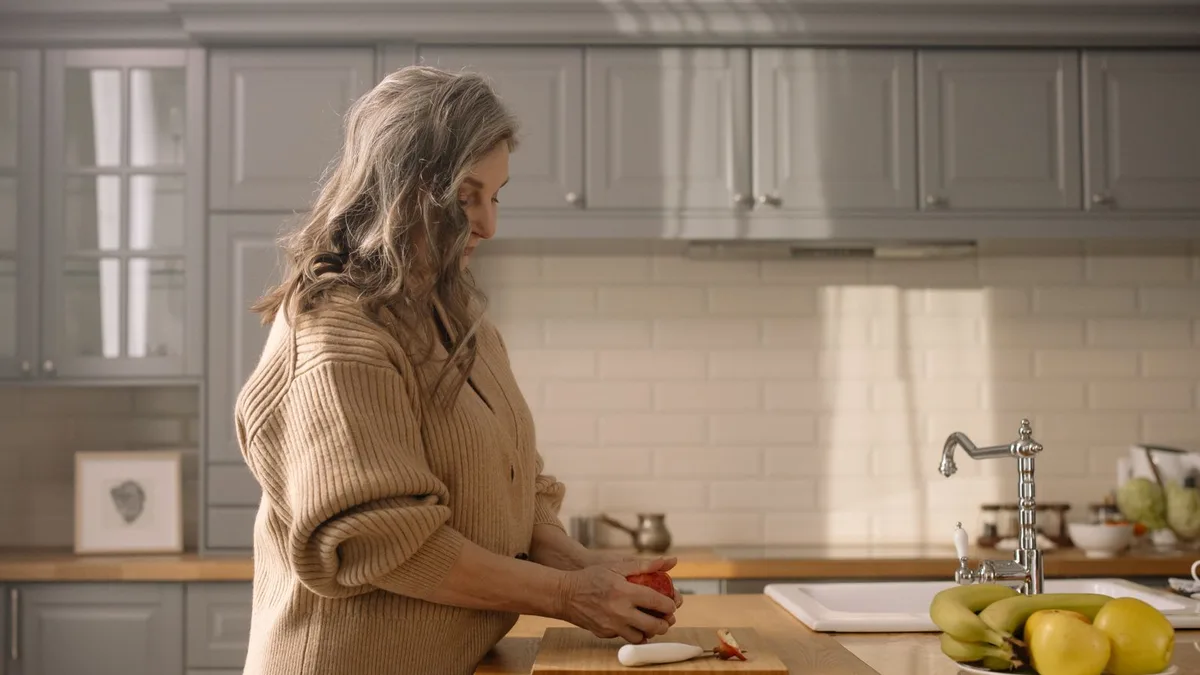
Ruth doesn’t claim to have done anything special. She says she always “ate good,” avoided junk food and was a good sleeper.
Those basics matter. The CDC recommends that adults get at least seven hours of sleep a night and links too little sleep to diabetes, heart disease, obesity and depression.
Her approach is a reminder that you don’t need a perfect diet or an expensive routine. Steady, simple habits, repeated for decades, can add up.
6. Don’t Live Your Life Alone
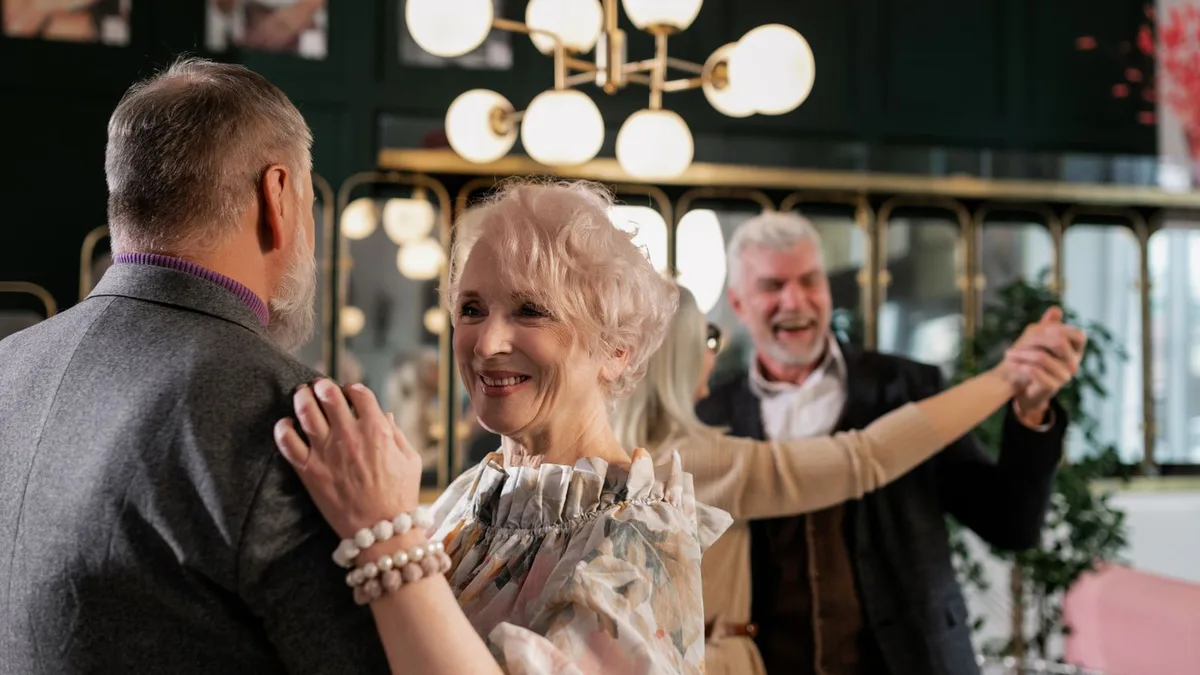
“People make me happy,” Ruth said. “I love people. People love me.” She also warned that living alone without people around “will drive you crazy.”
A 2020 report from the National Academies of Sciences, Engineering, and Medicine linked social isolation and loneliness in older adults to higher risks of early death, dementia and heart disease. Reviews of that research estimated that about a quarter of adults 65 and older living in the community are socially isolated.
Ruth still goes to her community center and dances. If your circle has shrunk, a senior center, faith group, class or volunteer role can be a place to start.
7. Stop Trying to Control Tomorrow
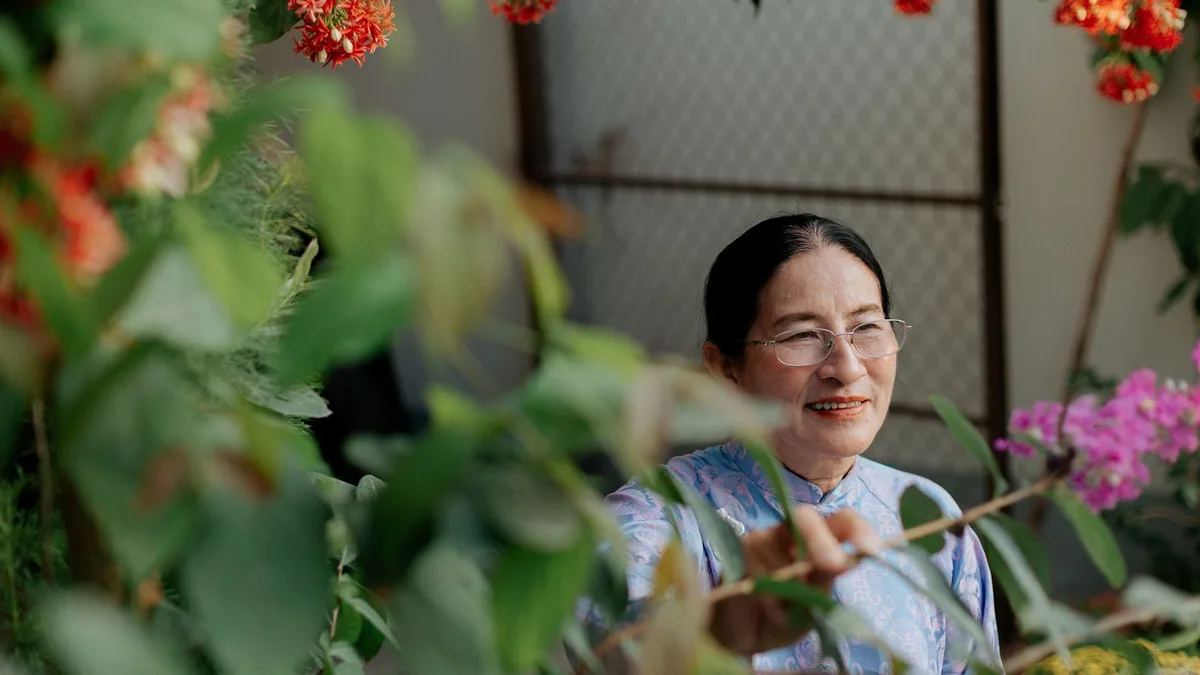
When asked how to worry less about the future, Ruth admitted it’s hard. But she said you can’t keep worrying about everything, because you don’t know what tomorrow will bring.
She lived through a depression and a world war, when her mother feared her sons would not come home. People worried then, too, and Ruth says the world will always give us something to worry about.
Her advice is to focus on what’s in front of you. Planning for the future is wise, but worrying about every “what if” can steal the present.
8. Let Go of “Could Have, Would Have, Should Have”
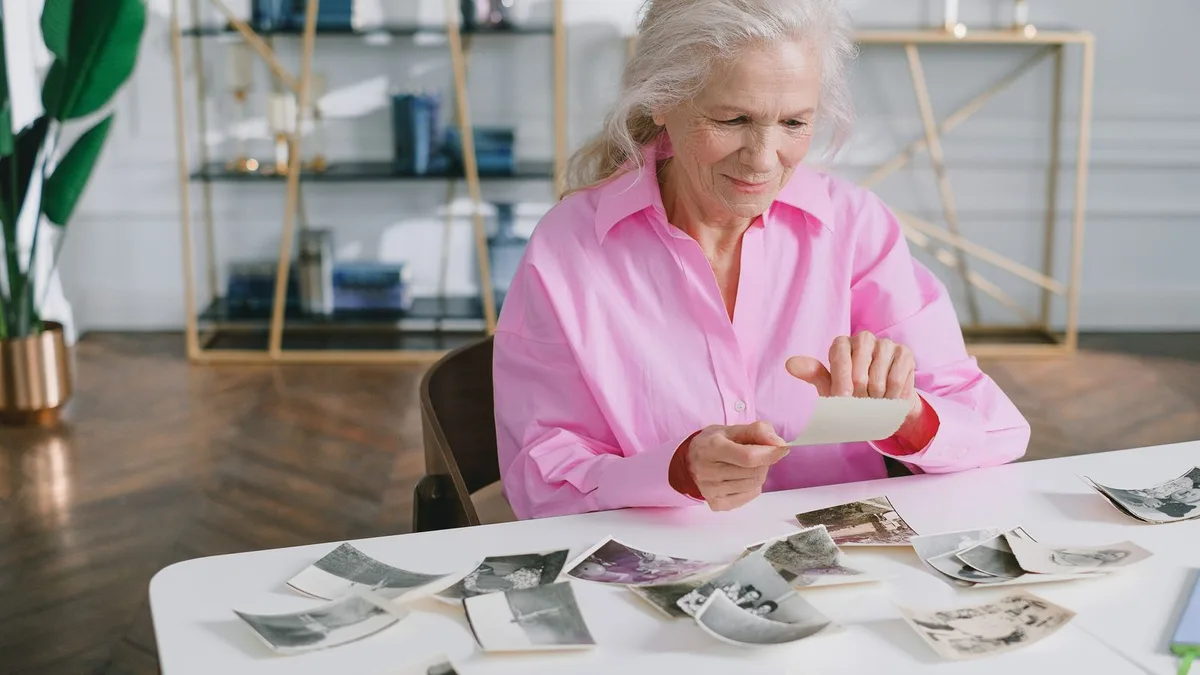
Ruth doesn’t dwell on the singing career that never happened. “Could have, would have, should have,” she said. “It’s over.”
That doesn’t mean she ignores the past. She uses it to give advice to younger people, but she doesn’t let it weigh her down.
Regret can be useful when it pushes you to change something you still can. When it’s about something that’s truly finished, Ruth’s lesson is to let it go.
9. In Marriage, Learn to Overlook

Ruth was married for almost 60 years. When asked to define love, she chose a different word: respect.
She said the key is to “overlook” each other’s faults, which isn’t easy. She and her husband argued, she said, but they kept talking to each other.
Her advice applies beyond marriage. Close relationships with family and friends also last longer when people let small things go.
10. Find Joy in the Simple Things

Ruth’s favorite memory isn’t a big event. It’s walking home with her brother after a free movie, when it had just snowed, and being the first to step into the clean, white snow.
“We were poor people. We had nothing. But we were happy,” she said. As a child, fun meant jumping rope in the street, and she says people were kinder to each other back then.
When asked about the best time of her life, she said it’s probably now. At 105, she still finds happiness in people, small moments and the present day.
| Habit Ruth Mentions | Why It Matters | How to Start |
|---|---|---|
| Not smoking | Smoking can shorten life by about 10 years on average | Call 1-800-QUIT-NOW for free help |
| Good sleep | Adults need at least seven hours a night | Keep a regular bedtime |
| Eating well | Steady habits support long-term health | Cook simple meals at home more often |
| Being around people | Isolation is linked to health risks | Join one group or class this month |
What Ruth Gets Right and What She Doesn’t
Ruth believes how long you live is mostly fate. Researchers agree that genes play a real role, with estimates ranging from about a quarter to around half of the variation in lifespan, depending on the study and how it’s measured.
But fate isn’t the whole story. The habits Ruth herself follows, like not smoking, sleeping well and staying around people, are linked to better health in older age, even if they can’t guarantee a long life.
| Ruth’s View | What Research Says | What to Do |
|---|---|---|
| “It’s not up to you how long you live” | Genes and luck matter, but so do habits | Focus on what you can control |
| “There are no secrets” | No single habit explains long life | Small daily choices add up |
| “You can’t live alone” | Isolation is linked to worse health | Stay connected on purpose |
Her advice works best as a reminder of what matters, not a promise of a long life. Kindness, patience and a few good habits are open to anyone, at any age.
Note: This article shares one person’s experience along with general health information. It is not medical advice, so talk with your doctor about your own health.


