I’m 92 — The Worries I Wasted My 60s On

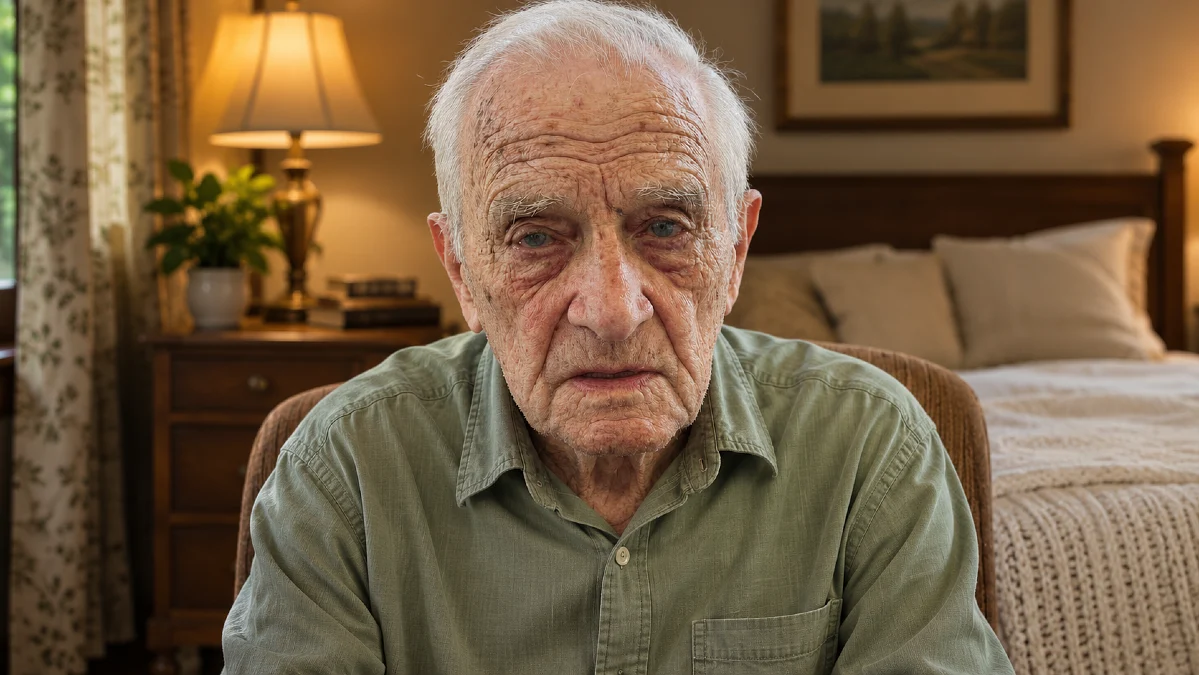
At 92, Ausitn has outlived his wife, many of his closest friends, and the life he once worked so hard to build. Yet his deepest regrets are not about lost money, missed promotions, or possessions he never purchased.
They concern the years he spent worrying about things that eventually meant very little.
Looking back, Ausitn sees his 60s as a time when he still had opportunities to live differently. Instead, he chased recognition, feared other people’s opinions, and postponed happiness.
The Death That Changed Ausitn’s Understanding of Time

In 1968, Ausitn had a close friend named Jack. Jack was intelligent, ambitious, wealthy, and convinced that the best years of his life were still ahead.
One evening, the two friends celebrated a major business deal Jack had completed. Sitting comfortably in his leather chair with a cigar, Jack explained his carefully planned future.
He intended to work hard for another five years, accumulate enough money, and finally enjoy everything he had postponed. He wanted to take his wife, Mary, to Italy, learn painting, and spend more time doing things that made him happy.
Three days later, Jack suffered a fatal heart attack outside his office. He was only 42 years old, and the future he had planned never arrived.
Ausitn attended the funeral and struggled to understand how someone so successful could lose everything so suddenly. Jack had spent years preparing for a life he never gave himself permission to enjoy.
A week later, Ausitn visited Jack’s office to help clear his belongings. His calendar remained filled with appointments, and his desk held unfinished business that had once seemed urgent.
Within weeks, someone else had taken over many of his professional responsibilities. The company continued operating, even though Jack’s personal world had ended.
That experience left Ausitn with a question he would carry for decades. What was the value of building a better future if someone never allowed himself to enjoy the present?
Despite understanding this lesson, Ausitn eventually made many of the same mistakes. Even in his 60s, he continued delaying experiences because another responsibility always seemed more important.
1. The Exhausting Pursuit of Other People’s Approval

During his working years, Ausitn placed enormous importance on how others perceived him. He wanted to appear successful, dependable, intelligent, and respected.
A prestigious job title, an expensive vehicle, and a beautiful home seemed to confirm that his efforts had been worthwhile. He believed these achievements would bring lasting satisfaction.
But recognition rarely lasted as long as he expected. After reaching one professional milestone, he quickly became concerned about achieving another.
By his 60s, Ausitn was still comparing his accomplishments with those of other people. He worried about becoming less influential, losing status, or appearing unsuccessful after retirement.
Looking back, he recognizes how exhausting that mindset had become. Much of his emotional energy went toward maintaining an image rather than enjoying the life behind it.
At 92, most of the people he once tried to impress are no longer part of his daily life. Their opinions have little influence over what matters to him now.
Ausitn wishes he had understood earlier that approval is temporary. A person’s value does not disappear when a job title changes, an income decreases, or someone else becomes more successful.
The lesson: Respect is worth earning, but spending decades trying to satisfy everyone’s expectations can leave little room for personal happiness.
2. A House Full of Possessions, but Little Lasting Happiness

There was a time when Ausitn believed that owning more meant living better. He worked to afford a large house, luxury vehicles, expensive furniture, and possessions that reflected his professional success.
Each purchase brought some satisfaction, but the feeling often faded. Before long, another improvement or purchase seemed necessary.
His 60s were filled with concerns about maintaining everything he had accumulated. Property expenses, repairs, insurance, and the pressure to preserve a comfortable lifestyle demanded considerable attention.
Now, at 92, Ausitn lives in a much smaller space. His most meaningful possessions include a bed, a comfortable chair, and a photograph of his late wife, Eleanor.
That photograph carries more emotional value than many of the expensive objects he once owned. It reminds him of decades of conversations, shared experiences, and ordinary moments that shaped his life.
Ausitn has attended enough funerals to understand that possessions do not follow their owners. Homes are eventually sold, furniture changes hands, and many carefully collected belongings lose their importance.
He does not believe that enjoying nice things is wrong. His regret is that he sometimes sacrificed experiences and relationships to purchase items that provided only temporary satisfaction.
The Financial Cost of Buying to Impress
Consider the difference between spending money on genuine needs and regularly purchasing things mainly to maintain appearances. Small recurring expenses can become substantial over time.
The following examples are hypothetical and assume the same monthly spending continues for ten years, without inflation or investment returns.
| Unnecessary Monthly Spending | Annual Cost | Cost Over 10 Years |
|---|---|---|
| $75 | $900 | $9,000 |
| $150 | $1,800 | $18,000 |
| $250 | $3,000 | $30,000 |
| $400 | $4,800 | $48,000 |
Spending an extra $250 each month amounts to $30,000 over ten years. That money could instead support retirement savings, meaningful travel, family visits, or another goal the household values.
Ausitn eventually realized that financial success was not measured by how many things he could afford. It was better measured by whether his resources supported a life he genuinely wanted.
3. The Professional Success That Came at a Personal Cost

In 1979, Ausitn received a businessman of the year award in his city. The ceremony was formal, the audience was impressive, and the applause made him feel that years of hard work had finally paid off.
He walked onto the stage, accepted his trophy, and enjoyed the recognition. For a brief period, he believed he had reached an important peak in life.
Later that evening, Ausitn returned home carrying the award. The house was quiet because Eleanor and their children had already gone to sleep.
He sat alone at the kitchen table, looking at the trophy. The applause had ended, and the celebration suddenly felt far less important.
During the months leading up to the award, Ausitn had missed family occasions because of work. He had stayed late at the office, missed some of his son’s sports activities, and disappointed Eleanor by canceling an anniversary dinner.
At the time, those sacrifices seemed necessary. He believed that professional success would eventually compensate for the moments he missed.
But sitting alone with the trophy, he began questioning that belief. The recognition was real, yet it could not restore those evenings with his family.
Decades later, Ausitn no longer knows where the award is stored. He still remembers Eleanor’s disappointment when he told her that another business obligation would prevent him from spending time with her.
That memory has remained more powerful than the applause he received.
Career Achievement Versus Personal Legacy
Ausitn spent much of his life treating his career as his legacy. He believed the companies he helped build and the deals he completed would determine how people remembered him.
Over time, he noticed that businesses continued operating after employees retired or died. Responsibilities were reassigned, and new people eventually took over important positions.
This did not make his work meaningless. It simply reminded him that professional achievement was only one part of a much larger life.
By 92, he rarely thinks about the business agreements he once considered essential. His strongest memories involve family gatherings, helping others, and spending quiet mornings with Eleanor.
The lesson: A successful career can provide security, purpose, and satisfaction. But it should not require sacrificing every relationship that gives those achievements personal meaning.
4. The Burden of Worrying About What Others Think

Ausitn spent years worrying about making mistakes in front of other people. He feared embarrassment, criticism, and the possibility that someone might question his judgment.
These concerns affected decisions that had little to do with his actual well-being. He sometimes avoided unfamiliar activities because he did not want to appear inexperienced.
Even during his 60s, he hesitated before trying new hobbies or changing established routines. Being a beginner felt uncomfortable for someone who had spent decades appearing capable and successful.
At 92, that fear seems unnecessary. Ausitn realizes that most people were far more occupied with their own lives than he imagined.
He had treated ordinary judgment as though it carried permanent consequences. In reality, many awkward moments would have been forgotten within days.
He now wishes he had been willing to look foolish occasionally. Learning painting, joining a class, taking an unfamiliar trip, or meeting new people could have brought experiences that mattered far more than avoiding embarrassment.
Ausitn’s perspective changed when he understood that being respected did not require being perfect. It was possible to make mistakes, laugh at himself, and remain a person of value.
For adults entering their 60s, this lesson can be especially useful. Retirement often brings opportunities to develop new interests, but the fear of starting again can prevent people from exploring them.
5. The Years Lost While Waiting for a Better Tomorrow

Ausitn’s friend Jack believed happiness would begin after five more years of hard work. Ausitn eventually recognized a similar pattern in his own decisions.
He repeatedly postponed experiences because the timing never seemed perfect. There were financial goals to reach, responsibilities to complete, and uncertainties that made waiting feel sensible.
He imagined that once everything was settled, he would finally have time for the things he wanted. But every completed responsibility seemed to be replaced by another.
During his 60s, this pattern became especially costly. He still had the health and independence to enjoy many experiences, yet he sometimes treated those years as preparation for a better future.
At 92, Ausitn understands that ordinary experiences were never guaranteed to remain available. A familiar holiday, a family gathering, or an afternoon with an old friend could become an irreplaceable memory.
How Much Time Can Postponement Consume?
Even a small amount of time reserved for meaningful activities can add up over several years. The following examples show what a consistent weekly commitment could represent.
| Weekly Time | Over 1 Year | Over 10 Years |
|---|---|---|
| 30 minutes | 26 hours | 260 hours |
| 1 hour | 52 hours | 520 hours |
| 2 hours | 104 hours | 1,040 hours |
| 4 hours | 208 hours | 2,080 hours |
Someone who sets aside two hours each week for family, friends, or a meaningful hobby creates 1,040 hours over ten years, assuming the routine continues. Those hours can become shared meals, conversations, visits, and experiences that might otherwise never happen.
Ausitn wishes he had protected more of that time. His mistake was not planning for the future, but assuming the present could always be postponed without consequences.
6. Old Grudges That Consumed More Energy Than They Deserved

In his younger years, Ausitn believed that standing his ground was a sign of strength. When disagreements occurred, he sometimes cared more about proving his position than repairing the relationship.
Pride made apologies difficult. He occasionally waited for someone else to make the first move, even when he knew a misunderstanding could have been resolved through an honest conversation.
Some disagreements lasted far longer than the events that caused them. By his 60s, Ausitn was still carrying resentment toward people who had disappointed him years earlier.
As he grew older, those conflicts began to seem less important. Friends moved away, relatives died, and opportunities to reconnect gradually disappeared.
At 92, Ausitn cannot remember every argument that once consumed his attention. But he remembers the relationships that became distant because neither person wanted to reach out.
He now believes that forgiveness is often more valuable than winning a disagreement. That does not mean tolerating mistreatment or returning to unsafe relationships.
Rather, he wishes he had recognized the difference between necessary boundaries and ordinary disagreements made worse by pride. Some relationships might have been saved with patience, understanding, and a willingness to apologize.
The lesson: Protecting personal dignity matters, but holding onto every grievance can cost more time and emotional energy than the original disagreement deserved.
7. The Family Moments That No Amount of Money Could Replace

Ausitn believed that being a good husband and father meant providing financial security. He wanted Eleanor and their children to enjoy a comfortable home and opportunities he had worked hard to create.
That responsibility motivated many of his professional decisions. Unfortunately, it also gave him a reason to miss moments he could never experience again.
He sometimes worked through family dinners, arrived home after the children were asleep, and treated ordinary weekends as opportunities to catch up on business. He assumed his family understood why he was absent.
By his 60s, his children were grown, and some opportunities had already disappeared. He could no longer attend the childhood events he had missed or recreate the years when they needed his daily attention.
His relationship with Eleanor became even more meaningful as they aged. They shared familiar routines, quiet mornings, and memories of the life they had built together.
After her death, those ordinary moments became some of Ausitn’s most treasured memories. He often recalls Sunday mornings, conversations over coffee, and the comfort of knowing she was nearby.
He does not remember those experiences because they were expensive or impressive. He remembers them because they involved someone he loved.
Research from the Harvard Study of Adult Development has emphasized the importance of strong relationships for long-term well-being. Close personal connections can provide emotional support and a sense of belonging throughout life.
Ausitn eventually understood that financial provision and emotional presence were both important parts of family life. One could not completely replace the other.
8. The Fear of Becoming Irrelevant After Retirement

For decades, Ausitn’s professional responsibilities gave his days structure. His calendar was filled with meetings, financial decisions, business relationships, and tasks that required his attention.
As retirement approached, he began worrying about what would remain when those responsibilities disappeared. He feared losing his identity and becoming someone whose experience no longer mattered.
That concern followed him into his 60s. Even when he had opportunities to reduce his workload, he sometimes struggled to imagine a satisfying life outside business.
He eventually discovered that usefulness did not depend entirely on employment. People could continue contributing through family relationships, friendships, volunteering, mentoring, and everyday acts of kindness.
One of his lasting memories involved helping a stranger push a car out of a snowbank. The experience brought no financial reward, but it remained meaningful decades later.
At 92, he remembers that simple act of assistance more clearly than many business transactions. It represented a moment when helping someone mattered more than receiving recognition.
The National Institute on Aging identifies social engagement and meaningful activities as important aspects of well-being in later life. Hobbies, volunteering, and community involvement can provide opportunities for connection and purpose.
Ausitn wishes he had developed more interests outside work before retirement. Doing so might have made the transition less intimidating and given him additional reasons to enjoy his days.
The central lesson is that a career can be meaningful without being a person’s entire identity.
9. Financial Security Versus the Endless Need for More

Ausitn worked hard to build financial stability. Saving money, managing expenses, and preparing for later life helped him support his family and reduce uncertainty.
However, the habit of accumulating more eventually became difficult to separate from the pursuit of security. Even after reaching important financial milestones, he sometimes felt that another amount would finally make him comfortable.
During his 60s, this concern influenced how he spent his money. He occasionally postponed enjoyable experiences despite having the resources to afford them.
He was not wrong to consider future expenses. Retirement can involve unpredictable medical costs, housing needs, inflation, and changes in household income.
His mistake was failing to distinguish sensible preparation from a savings target that kept moving further away. More money was not always solving a new problem.
Knowing When Enough Is Enough
Financial security does not require everyone to reach the same savings balance. A household’s needs depend on its spending, guaranteed income, debts, health, and expected retirement expenses.
The Consumer Financial Protection Bureau describes financial well-being in terms of security and freedom of choice. This recognizes that money has value not only because it pays bills, but also because it provides options.
| Financial Concern | Useful Preparation | Unproductive Pattern |
|---|---|---|
| Future living expenses | Build a realistic retirement budget | Repeatedly worrying without reviewing the numbers |
| Medical expenses | Review coverage and savings | Assuming every unexpected bill will be disastrous |
| Retirement income | Compare reliable income with expenses | Chasing a larger balance without a clear purpose |
| Enjoying savings | Set a sustainable discretionary budget | Feeling guilty about every affordable experience |
| Helping family | Plan support within financial limits | Promising more than the household can afford |
The most important distinction is between money needed for genuine security and money accumulated without a clear reason. Spending too freely can create problems, but refusing every affordable pleasure can also undermine the purpose of saving.
Ausitn eventually realized that money was a resource, not a final achievement. Its greatest value came from the safety, independence, and experiences it made possible.
10. The Anxiety of Problems That Never Materialized

Ausitn spent much of his life imagining what might go wrong. He worried about business losses, financial setbacks, disappointing others, and situations he could not fully control.
Some of those risks were legitimate. Others existed mainly as possibilities that occupied his attention without leading to useful decisions.
During his 60s, he continued thinking about problems that might never happen. Instead of enjoying a quiet evening, he sometimes replayed difficult conversations or worried about uncertain events years in the future.
At 92, he recognizes that many of his fears never materialized. Others did occur, but they unfolded differently from what he had imagined.
He wishes he had developed a clearer distinction between a problem that required action and a worry that could not be resolved through more thinking. Making a budget, arranging insurance, or addressing a health concern were practical steps.
Constantly imagining negative outcomes without taking action did not offer the same benefit. It often left him feeling less able to appreciate what was going well.
This does not mean people should ignore serious concerns. Financial problems, medical symptoms, and relationship difficulties deserve appropriate attention.
But once a reasonable plan is in place, repeated worry does not always create additional protection. Ausitn believes he could have spent more time living and less time rehearsing problems that never arrived.
11. The Quiet Happiness Hidden in Ordinary Days
For much of his life, Ausitn associated happiness with large achievements. He expected promotions, financial milestones, vacations, and important celebrations to create the strongest memories.
By 92, his perspective had changed. The moments he remembers most fondly are often small, ordinary experiences that once passed without much attention.
He remembers Eleanor sitting beside him on Sunday mornings. He remembers his daughter laughing when she was little and the satisfaction of helping someone who needed assistance.
None of those experiences required wealth or public recognition. Their value came from connection, affection, and being fully present.
Ausitn regrets the mornings he rushed through breakfast while thinking about work. He regrets conversations that ended early because he believed another task was more urgent.
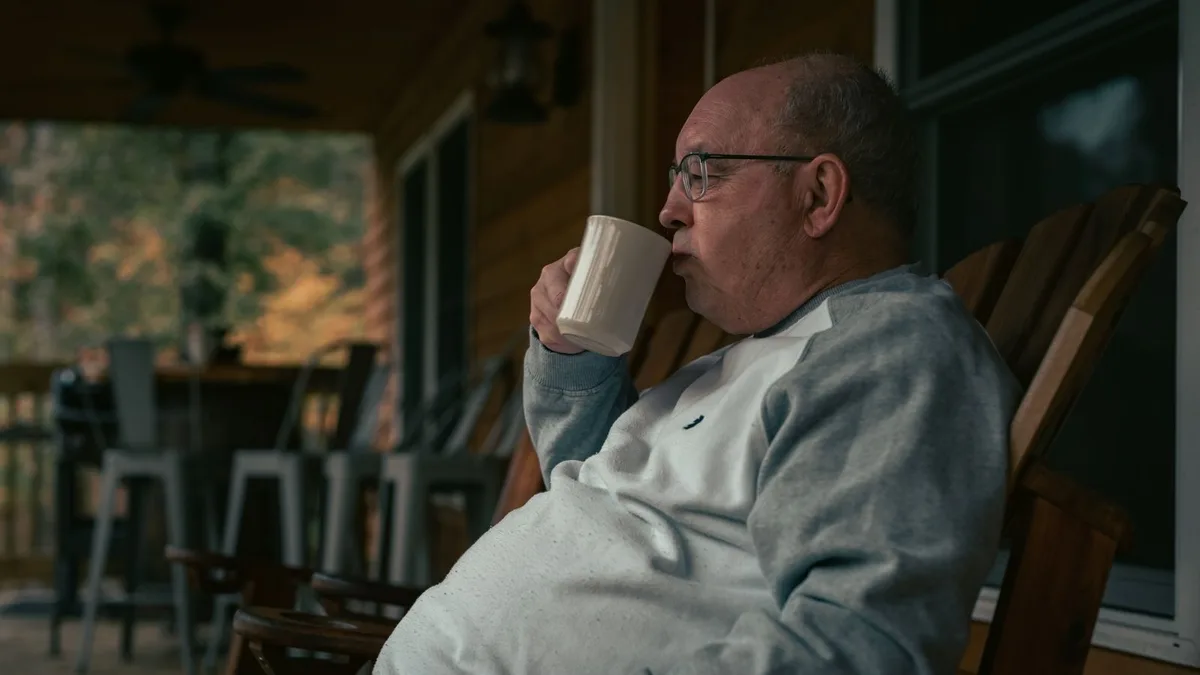
Now, even simple routines feel meaningful. Sitting comfortably, enjoying coffee, looking outside, or remembering a loved one can bring a sense of gratitude.
He understands that not every day is pleasant and that aging can bring genuine challenges. His physical abilities have changed, and the loss of people close to him has been difficult.
Still, the memories he treasures show him that happiness did not always require extraordinary circumstances. Much of it had been available in the everyday life he was sometimes too busy to notice.
The Perspective That Changed Everything at 92
Ausitn has reached an age when many familiar parts of life have disappeared. He has lost Eleanor, several close friends, and the professional identity that once occupied so much of his attention.
Those losses have changed how he understands time. He no longer assumes that familiar experiences will always be available.
He knows that every routine eventually changes. There will be a final conversation with someone important, a last visit to a familiar place, and moments that become precious only after they are gone.
This awareness does not lead Ausitn to believe that every day should be spent worrying about death. Instead, it encourages him to appreciate experiences while they are happening.
He wishes he had understood this more deeply during his 60s. At that age, he still had opportunities to enjoy activities, repair relationships, and spend time with people who are no longer alive.
He cannot recover those years, but his memories have helped him recognize what matters most. Achievement, wealth, and recognition all have value, yet none can completely replace meaningful human connections.
Seven Changes Worth Making Before Another Decade Passes
Ausitn’s reflections offer practical lessons for adults who are approaching retirement or already living through their 60s and 70s. The goal is not to abandon responsibility but to use time and money more deliberately.
Each change can begin on a small scale. What matters is making meaningful choices rather than repeatedly postponing them.
| Area of Life | Practical Change | Potential Benefit |
|---|---|---|
| Relationships | Schedule regular visits and conversations | Stronger personal connections |
| Retirement finances | Review income, savings, and essential expenses | Clearer financial decisions |
| Personal interests | Begin one activity that has been postponed | Greater enjoyment and purpose |
| Family time | Protect regular time together | More shared experiences |
| Possessions | Reduce unnecessary purchases and clutter | Lower costs and less upkeep |
| Old disagreements | Consider repairing a meaningful relationship | Less unresolved conflict |
| Personal priorities | Stop measuring success only through status | Greater freedom to make personal choices |
These changes do not require someone to spend large amounts of money or make sudden decisions. Even a simple weekly routine can create opportunities that might otherwise be lost.
Ausitn’s central message is that financial security and meaningful experiences should not be treated as competing goals. Responsible planning can help protect the freedom to enjoy life.


